_edited.png)


The Surprising Science of Why Dancing in a Group Lowers Your Cortisol More Than Solo Cardio
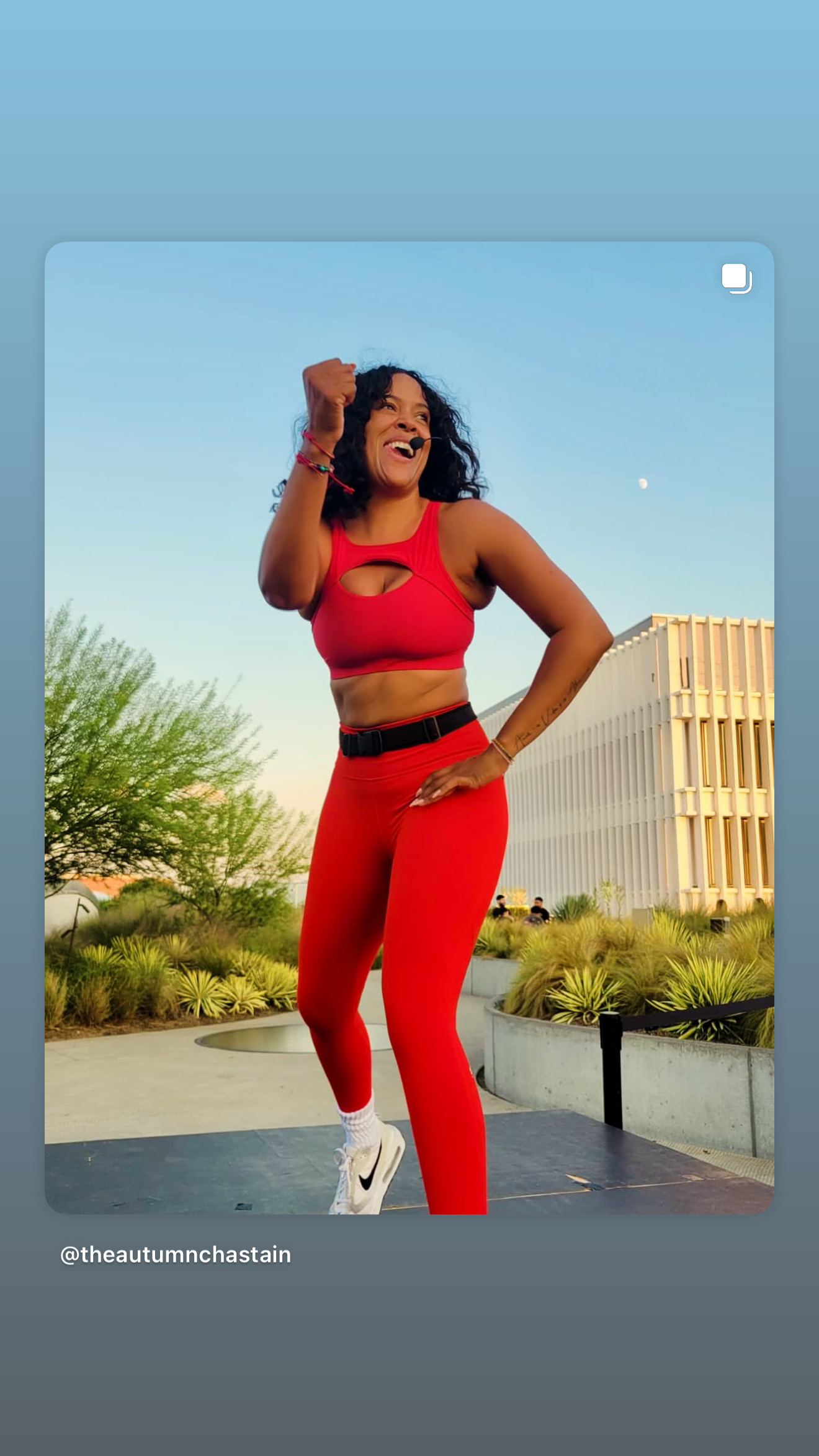
Are you tired of finishing a grueling workout on the treadmill only to realize your mind is still racing a million miles an hour? If you are a high-achieving woman juggling a demanding career, family life, and a never-ending to-do list, you probably view fitness through the lens of another task to optimize. You sweat, you track your heart rate, you check the box: and yet, your shoulders stay tight, your jaw stays clenched, and that persistent cortisol surge refuses to quiet down.
What if the secret to real stress relief isn't pushing harder in isolation, but letting go in community?
Let's dive into the fascinating science of group movement, explore why dancing together does something extraordinary to your nervous system, and discover how trading your solo routine for a vibrant dance floor can change everything.
The Solo Treadmill Trap: Why More Sweat Doesn't Equal Less Stress
Let’s be honest: when you’re stressed, your first instinct is often to lock in. You put on your noise-canceling headphones, step onto the treadmill or the stationary bike, and try to outrun your anxiety through sheer willpower.
While solo cardio has cardiovascular benefits, it often keeps you trapped in the same cognitive loops that caused your burnout in the first place. You are still performing. You are still measuring, monitoring, and managing metrics.
Your brain remains hyper-vigilant. Your nervous system stays locked in a low-grade fight-or-flight response because you haven’t given your body permission to play.
STOP TREATING YOUR WORKOUT LIKE A PERFORMANCE REVIEW. Fitness should be an outlet, not another exam you are graded on.
When you move alone with headphones blocking out the world, you miss out on one of the most potent biological reset buttons available to humankind: social synchrony.

Understanding "Collective Effervescence"
To understand why dancing in a group feels so utterly transformative, we have to look at a concept coined by sociologist Émile Durkheim: collective effervescence.
In modern psychology and neuroscience, collective effervescence describes the state of shared emotional activation and euphoria that occurs when people come together to engage in synchronized group behavior: like chanting, drumming, or dancing.
When you dance in a room full of other women, something remarkable happens beneath the surface:
Physiological Synchrony: Studies on group rituals and dance show that participants' heart rates begin to entrain and synchronize. You literally start moving and beating in rhythm with the people around you.
The Oxytocin Cascade: While solo cardio can spike endorphins, synchronized group movement triggers a powerful release of oxytocin: the bonding and trust hormone. This neurochemical shift instantly signals safety to your nervous system.
The Cortisol Drop: Although intense dance can temporarily elevate arousal, structured, joyful group dance environments dramatically lower baseline cortisol and alleviate chronic stress over time, helping your body transition from sympathetic overdrive into deep parasympathetic recovery.
In short, your nervous system realizes it is part of a tribe. The isolation dissolves, and your body finally exhales.
Why High Achievers Need to Get Out of Their Heads
If you spend all day managing teams, solving complex problems, and holding yourself to impossibly high standards, your brain is working overtime in the prefrontal cortex. You live from the neck up.
When you step into a community dance class like Zumba, you are forced to drop back into your body.

You can't overthink your footwork when the music takes over. You can't audit a spreadsheet while shaking your hips to an infectious Latin beat. Dance bypasses perfectionism. It asks you to be clumsy, to laugh at yourself when you miss a step, and to embrace the sheer, unadulterated joy of movement.
Ask yourself right now: When was the last time you moved your body purely for the fun of it, with zero calories burned goals attached?
If you can't remember, your soul is ready for a reset.
How to Integrate Joyful Movement Into Your Life
You don't need a grueling regime to transform your well-being. You need a rhythm that brings you back to yourself. Here are a few simple ways to invite more community movement and nervous system regulation into your week:
Audit Your Movement: Look at your weekly routine. If 100% of your workouts are solitary and metric-driven, carve out space for at least one collaborative, community-based movement experience.
Lean Into Imperfection: Give yourself permission to look silly. The magic of dance happens in the messy middle: when you stop worrying about looking polished and start feeling the rhythm.
Show Up for Community: Surround yourself with women who are also navigating life's transitions, looking for joy, and ready to shed their armor. Connection is the fastest antidote to burnout.

Come Dance With Us in Houston!
If you are ready to trade your solo routine for a space where fitness feels joyful, community feels like family, and choosing yourself feels natural, we would love to welcome you to our community dance classes.
Come shake off the week, lower your cortisol, and reconnect with your inner power through high-energy Zumba classes designed for women who are ready to get out of their heads and into their bodies:
Post Houston: We teach at Post Houston on the first Thursday of every month.
Trebly Park: We teach at 6:30 PM in Trebly Park, Houston, Texas on every other Thursday for the rest of the month.
There is no audition, no prior dance experience required, and zero pressure. Just bring your energy, wear something that makes you feel vibrant, and let the music do the rest.
Ready to feel the magic of collective effervescence for yourself? Head over to our booking page to check out upcoming community classes and reserve your spot on the dance floor today.
Remember, progress takes time, and perfection is never the objective. Give yourself permission to let go, laugh out loud, and dance like nobody is grading you( because they aren't.)
Comments