


30 Days In: What The Body Reboot Actually Changes (Energy, Habits, and How You Feel)
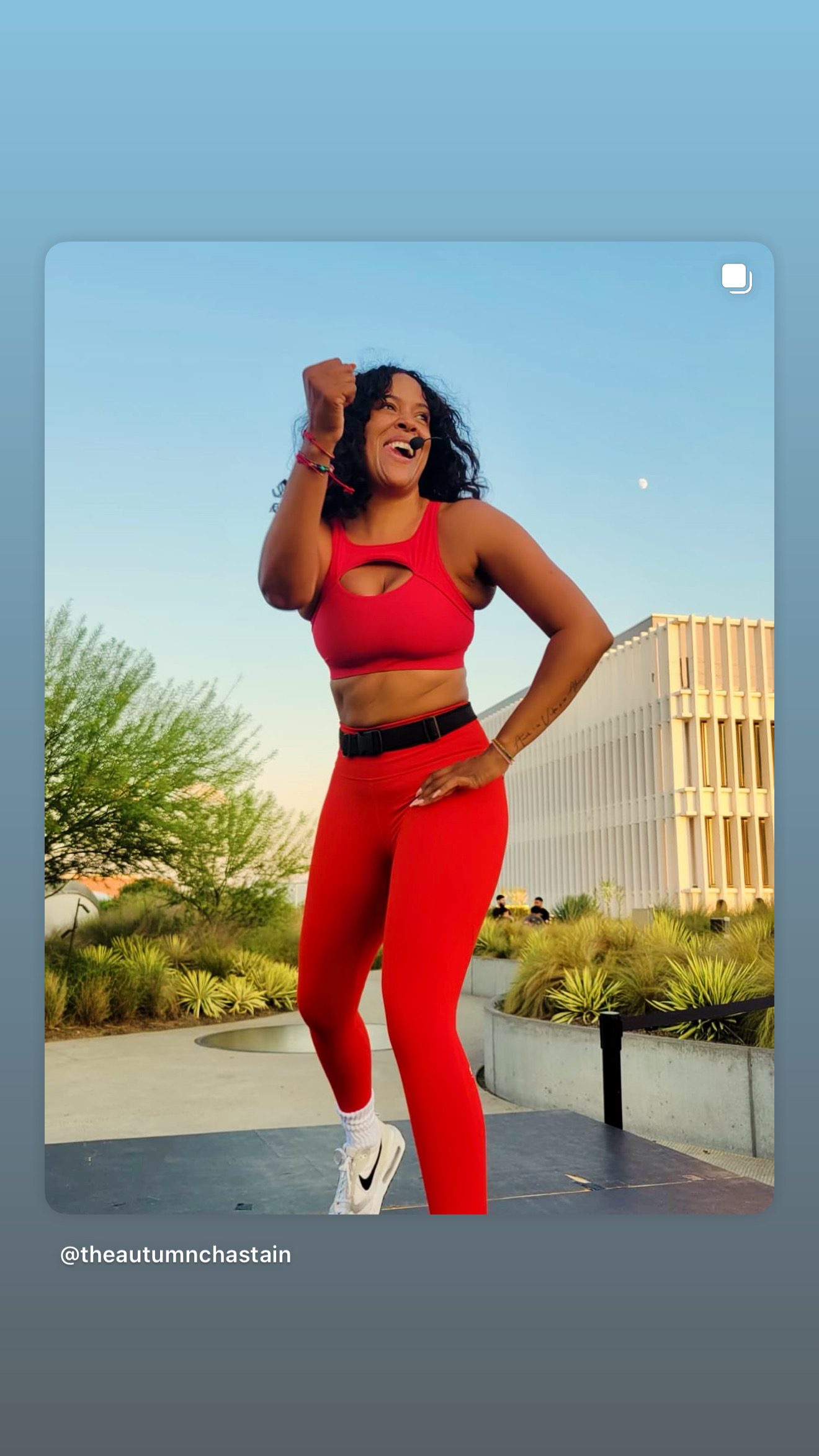
You made it 30 days into The Body Reboot.
Maybe you moved consistently for the first time in months. Maybe you prepared more meals at home, noticed your energy patterns, or learned that a short workout can still count on a demanding day.
Maybe you also missed a few sessions. Maybe work became overwhelming, your schedule changed, or you had a week when simply getting through the day felt like enough.
That is real progress, too.
The Body Reboot is not designed to promise a dramatic transformation photo, perfect adherence, or a completely different body in 30 days. It is a beginner-friendly reset built to help you stop starting over: with simple workouts, practical nutrition guidance, and habits that can survive real life.
So, what does a month actually change?
It can change how you move through your day, how you make decisions, how you respond when life interrupts your plan, and how much trust you have in your own body.
First, Let’s Be Honest About What 30 Days Does Not Promise
A month is long enough to create meaningful momentum. It is not long enough to measure your worth, guarantee a specific physical result, or prove that you have “finally become disciplined.”
The Body Reboot does not require:
Perfect workouts every day
A restrictive diet
Hours spent in the gym
A specific number on the scale
An all-or-nothing commitment
Starting over every time you miss a day
You may notice physical changes. You may feel stronger or more comfortable in your clothes. But the deeper work is often less visible at first.
You are building a relationship with movement, nourishment, and recovery that does not depend on punishment or urgency. That is the foundation of a sustainable holistic wellness program.
1. Energy: You Start Spending Less of Your Day Recovering From Your Day
When you are caught in the burnout cycle, energy can feel unpredictable. You may wake up tired, push through your responsibilities, crash in the afternoon, and then feel too depleted to care for yourself in the evening.
After 30 days, The Body Reboot may help you notice a different rhythm.
Not endless energy. Not instant vitality. A more dependable baseline.
You might experience:
Fewer long stretches of sitting without moving
More awareness of when your energy naturally rises and falls
A clearer connection between movement and mood
More confidence choosing meals that support your day
Less dependence on motivation to get started

The goal is not to force yourself into a higher gear all the time. The goal is to stop treating exhaustion as a personal failure and start working with your body’s signals.
Try this: Before reaching for another productivity solution, ask, “What would support my energy right now?”
The answer may be a workout. It may be lunch, water, a walk, or an earlier bedtime. Lifestyle wellness coaching helps you see the whole picture instead of trying to solve every low-energy day with more effort.
2. Habits: Your Routine Becomes More Flexible
A routine that only works during a perfect week is not a sustainable routine.
At the beginning of The Body Reboot, you may think consistency means doing everything exactly as planned. By day 30, you begin to understand that consistency can also mean adapting without abandoning yourself.
That could look like:
Completing a shorter workout when you cannot do the full session.
Moving at home instead of waiting for the “right” gym experience.
Preparing one nourishing meal instead of planning an entire week perfectly.
Returning to your routine after missing several days.
Keeping one promise to yourself on a busy day.
This is where the program starts to feel different from a quick fix. You are not creating a fragile streak. You are practicing a repeatable response.
When life gets busy, ask yourself:
What is the smallest version of this habit I can complete?
What would make movement easier today?
What meal could support me without requiring a complicated plan?
How can I make tomorrow’s choice simpler?
Make it easier. Lower the barrier. Keep going.
Your habits do not need to look impressive to be effective. They need to be available to you when your calendar is full, your motivation is low, and your attention is needed elsewhere.
3. Strength: You Begin to Trust What Your Body Can Do
Strength is not only about lifting heavier or completing more repetitions. It is also the experience of realizing that your body is capable of learning.
In the first month, you may notice that familiar movements feel more controlled. You may recover more comfortably. You may feel steadier climbing stairs, carrying groceries, getting up from the floor, or moving through your workday.
You may also discover that strength grows through patience.
You do not need to push until you are exhausted. You do not need to perform advanced exercises to make progress. You need a thoughtful starting point, regular practice, and enough recovery to allow your body to respond.
The Body Reboot emphasizes simple, approachable movement because the best plan is one you can continue.
Focus on:
Showing up with good-enough effort
Learning how each movement feels
Adjusting when your body needs less intensity
Building gradually instead of rushing
Celebrating control, stability, and confidence
What if your first measure of progress was not how hard you could push, but how much more capable you felt afterward?
That shift matters. It turns exercise from a test you can fail into a conversation with your body.
4. Mindset: You Interrupt the All-or-Nothing Pattern
This may be one of the most meaningful changes after 30 days.
Before The Body Reboot, a missed workout may have felt like proof that you were “off track.” One unplanned meal may have turned into an entire weekend of giving up. A stressful week may have convinced you that your goals were impossible.
A month of practicing flexible habits can interrupt that pattern.
You begin to see that:
One missed day does not erase your progress.
One meal does not determine your health.
Rest is not laziness.
A slower week is not a failed week.
Restarting can be a skill, not a punishment.
This is not about lowering your standards. It is about releasing the impossible standard that says you must be perfect to be consistent.
Progress is not linear. Some weeks will feel strong and focused. Other weeks will require more compassion and less intensity. Both belong to the process.
When you notice all-or-nothing thinking, pause and ask:
“What would the next supportive choice be?”
Not the most extreme choice. Not the choice that proves something. The next supportive choice.
That question can change everything.
5. How You Feel: You Rebuild Trust With Your Own Body
The most important result may not be visible from the outside.
You may begin to feel more at home in your body.
That can mean noticing hunger before you become overly depleted, choosing movement because it helps you feel clear, or taking rest without needing to earn it first. It can mean hearing fatigue as information instead of an inconvenience.

You might feel:
More grounded
More capable
Less reactive around food and exercise
More comfortable adjusting your plans
More connected to your physical needs
More willing to care for yourself without guilt
This is where The Body Reboot becomes more than a fitness plan. It becomes a practical form of self-respect.
You are learning that your body is not a problem to solve before you can enjoy your life. It is the place you live, lead, work, create, and experience every meaningful moment.
Give that relationship time.
The Three-Part Bundle That Carries You Beyond Month One
The Body Reboot is supported by a three-part system designed to guide you from day one through your first month and beyond:
Starter Kit: Build your foundation with accessible steps and a clear place to begin.
Accelerator: Add structure and momentum as you become more familiar with the process.
Reboot Bonus Guide: Continue reinforcing the habits, mindset, and practical tools that help your progress last.
Together, these pieces help you move beyond the temporary motivation of a challenge. They give you a framework for building strength, improving your daily choices, and continuing even when life is not perfectly organized.
Because the goal is not to finish 30 days and return to the old cycle.
The goal is to become someone who knows how to begin again without shame.
Your Next 30 Days: Keep It Simple
As you move forward, do not add ten new goals at once. Choose a few anchors.
Schedule movement you can realistically repeat.
Keep simple, satisfying foods available.
Protect your sleep and recovery when possible.
Notice what gives you energy instead of chasing perfection.
Return to the plan quickly after interruptions.
Celebrate actions that support your life, not just visible results.
You do not need to prove that you can change everything at once.
You need to practice choosing yourself in ways that can last.
If you are ready to stop starting over and build a stronger, more sustainable relationship with movement and wellness, explore The Body Reboot.
Thirty days can create momentum. The real transformation comes from what you keep practicing: with patience, flexibility, and compassion( for the months that follow.)

Comments