


5 Fall Movement Ideas That Actually Feel Good (No Punishment Required)
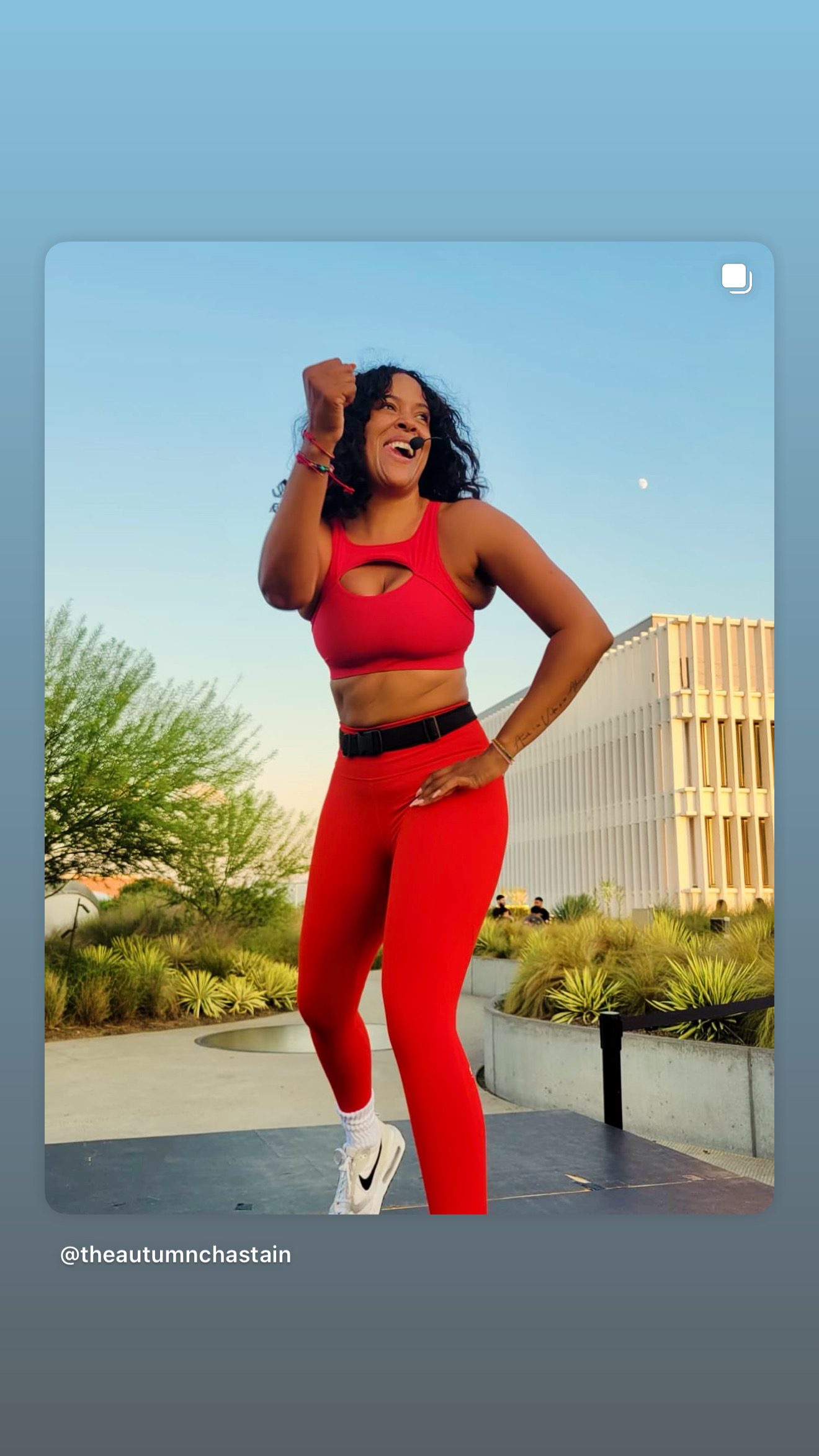
Fall has a way of making you want to begin again. The mornings feel cooler. Your calendar starts filling up. You may feel ready for a fresh routine: but also tired of routines that ask you to do too much, too soon.
Maybe you have spent years following “no pain, no gain” programming. Maybe you have started an intense workout plan, missed a few days, and decided you had failed. Or perhaps movement has become another task to complete instead of a way to feel more connected, energized, and at home in your body.
What if this season could be different?
Mindful movement is not about earning your food, shrinking your body, or pushing until you are depleted. It is about paying attention. What does your body need today? What kind of movement gives energy back instead of taking more away?
You do not need a perfect plan. You need options that fit your actual life.
Here are five fall movement ideas that can help you reconnect with your body while creating a sustainable rhythm.
1. Take a Cooler-Weather Walk Without Turning It Into a Chore
There is something grounding about walking outdoors in the fall. The cooler air can make movement feel more refreshing, and the change of scenery gives your mind a break from screens, meetings, and responsibilities.
But your walk does not have to be long, fast, or tracked to count.
Try a 15- to 30-minute walk with one simple intention:
Notice the temperature on your skin.
Pay attention to how your feet meet the ground.
Let your shoulders soften.
Breathe at a pace that feels natural.
Look for changing leaves, morning light, or small details in your surroundings.
This is mindful movement in its most accessible form. You are not walking to punish yourself for yesterday or compensate for what you ate. You are walking to return to the present moment.
If you have a full schedule, attach your walk to something you already do. Walk after your first meeting. Take a loop before picking up your children. Use part of your lunch break to step outside instead of eating at your desk.
The insider tip: make the walk easy to repeat. A 15-minute walk you enjoy will support your lifestyle wellness more than a one-hour walk you dread and avoid.
2. Try a Barre Class for Focused, Ballet-Inspired Strength

Barre can be an excellent fall reset when you want to build strength without stepping into an intimidating, high-impact environment. The movements are ballet-inspired, but you do not need dance experience to participate.
A Barre class typically combines small, controlled movements with strength, balance, and mobility work. You may use a barre for support, but the goal is not to perform perfectly. The goal is to become more aware of how your body is moving.
You might notice:
The muscles working to stabilize your hips and legs.
The difference between tension and effort.
Where you hold your breath.
How your posture changes when you slow down.
Which modifications help you feel more supported.
That awareness is part of body reconnection coaching: learning to listen to your body instead of treating it like a problem to fix.
If you are looking for a midweek reset, you can book Wednesday Barre with Autumn. Come as you are. You do not have to be flexible, coordinated, or “in shape” before you begin.
Start with curiosity. Choose the version of each movement that lets you stay present. Your body does not need to prove anything in class.
3. Dance at Monthly Zumba at Post Houston

Sometimes the most supportive movement is the kind that makes you smile.
Zumba offers music, rhythm, and community in a way that can help movement feel social instead of solitary. You can focus on following the beat, trying a new step, and enjoying the people around you: not counting every calorie or judging how your body looks while it moves.
Autumn teaches Zumba at Post Houston on the first Thursday of every month. You can learn more about the community experience in this guide to Houston Zumba classes.
You are allowed to modify. You are allowed to take breaks. You are allowed to move with less intensity and still be fully participating.
Before class, choose a feeling rather than a performance goal. Maybe you want to feel lighter, more connected, or more energized. Let that be enough.
Community matters, especially when your work and responsibilities make it easy to become isolated in your own head. A shared movement experience can remind you that wellness is not only personal: it can also be joyful, relational, and full of encouragement.
4. Create a Ten-Minute Morning Mobility Ritual

You do not need a full workout to create a meaningful movement habit. Ten intentional minutes in the morning can help you notice what your body needs before the day begins asking things from you.
Build a simple ritual with three parts:
Arrive
Stand or sit comfortably. Take a few relaxed breaths. Notice whether you feel stiff, energized, tired, or distracted.
Mobilize
Move through a few gentle patterns:
Roll your shoulders slowly.
Turn your head from side to side without forcing the range.
Reach your arms overhead and take a side bend.
Move through gentle hip circles.
Fold forward softly, bending your knees if needed.
Rise onto your toes and lower your heels.
Finish with a few easy squats or supported lunges.
Check in
Ask yourself: What would support me today?
Maybe the answer is a walk. Maybe it is strength training. Maybe it is rest, hydration, or an earlier bedtime. Listening to your body does not mean avoiding challenge. It means responding to information instead of ignoring it.
Think of this ritual as a conversation, not a test. You are building trust through consistency, one small check-in at a time.
5. Build Functional Strength for the Life You Actually Live

Strength training does not have to mean lifting the heaviest weights or pushing until your muscles are exhausted. Functional strength is about supporting the movements your daily life requires.
Can you carry groceries comfortably? Lift a suitcase? Climb stairs with confidence? Get up from the floor? Maintain energy through a busy day?
A simple strength session might include:
Squats or sit-to-stands.
A hip hinge or deadlift pattern.
A supported row.
A wall or incline push-up.
A carry using one or two moderate weights.
A core exercise that helps you stabilize and breathe.
Choose a weight that allows you to maintain control. Move slowly enough to notice your alignment. Stop before your form breaks down.
The goal is not to leave every session exhausted. The goal is to become more capable and confident over time.
If you are unsure where to begin, personalized 1:1 private coaching can help you create a plan around your goals, schedule, experience, and current energy. This is where lifestyle wellness coaching becomes practical: your movement plan should work with your life, not require you to reorganize your entire life around it.
A Better Question Than “Did I Burn Enough Calories?”
When you finish moving, try asking:
Do I feel more present?
Do I have more energy or less?
Did I respect my body’s signals?
What did I learn about myself today?
Would I be willing to do this again?
These questions shift your focus from punishment to partnership.
That does not mean every workout will feel easy. Growth can be challenging. Strength can require effort. But discomfort is not the only evidence that movement is working, and pain is not a requirement for progress.
If you experience sharp pain, unusual symptoms, or have a medical condition that affects exercise, pause and seek guidance from an appropriate healthcare professional.
Let This Fall Be About Returning, Not Starting Over
You do not need to become a completely different person this season. You do not need to make up for missed workouts or follow an all-or-nothing plan.
Choose one movement idea that feels realistic. Schedule it. Keep it simple. Then notice how your body responds.
Some weeks, you may walk three times. Other weeks, you may attend Barre, dance at Zumba, or complete two ten-minute mobility rituals between meetings. Progress may look inconsistent from the outside, but a flexible practice can still be deeply sustainable.
The objective is not perfection. It is a stronger relationship with your body.
Move in ways that help you feel more like yourself. Rest when you need to rest. Begin again without criticism. Over time, these small choices become something more powerful than a short-term fitness push: a lifestyle rooted in energy, self-trust, and genuine body reconnection.
Comments